
.jpg)
Three parts, different roles
The subgrade is the ground that supports the driveway. The base distributes loads and provides a stable platform. The top dressing or wearing surface is the material exposed to tires and weather. A driveway may need attention to one part or several.
A fresh top layer cannot by itself establish that the ground underneath is stable. If the base is saturated or yielding, adding surface material may offer only a short-lived improvement.
Material names do not tell the whole story
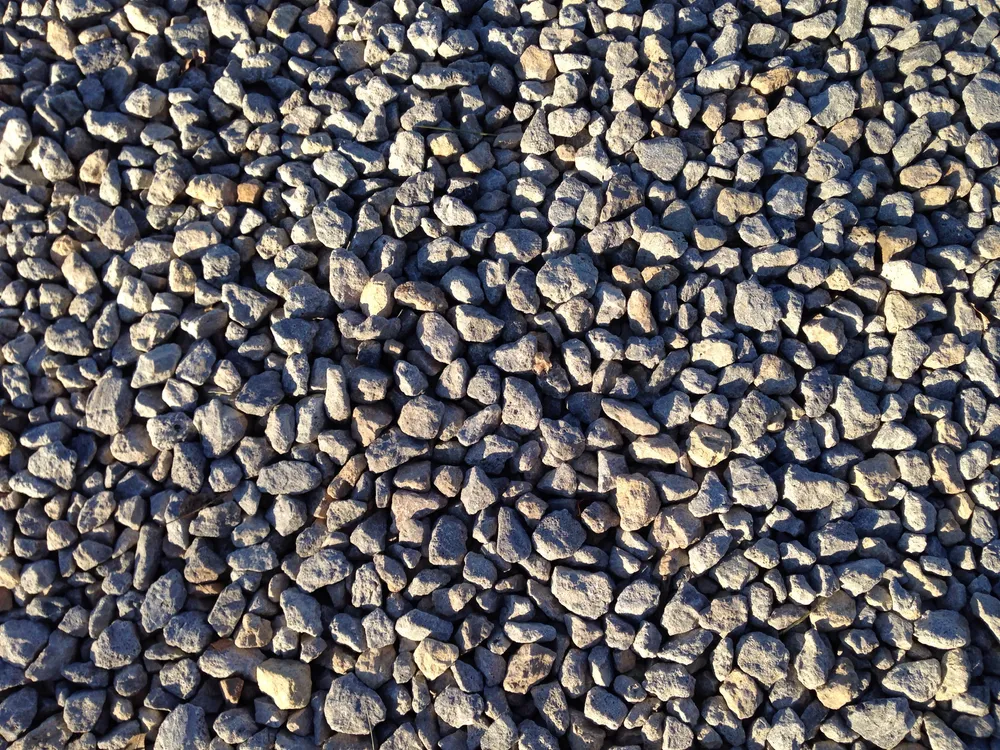
Terms such as aggregate, crushed stone, and crusher run describe materials used in gravel-road work, but names and available blends can vary by supplier. Particle size, the mix of coarse and fine material, and how it compacts all matter.
Ask the professional what material is proposed, which layer it is intended for, and why it suits the driveway’s ground, water conditions, and traffic. There is no single material prescription for every Houston County property.
Compaction is part of the work
Placing aggregate and compacting it are different steps. Suitable equipment, material condition, and a planned sequence help produce a more stable surface. The appropriate method depends on the material and site.
Ask whether compaction is included and how weak spots will be handled. This guide does not specify layer thickness, equipment settings, or moisture targets.
Water can undo the material choice
Even a carefully selected material can perform poorly if water remains in the driveway or carries the surface away. Base, surface shape, and drainage need to be considered together before ordering aggregate.
